







Search Results for: water level

Panama Geisha Pour-Over Coffee | Is the coffee-to-water ratio for pour-over always 1:15? What grind size is suitable for pour-over single-origin beans?
Pour-over coffee is a process where flavor extraction and filtration happen simultaneously, with extraction occurring centered around the spot where water is poured, and the key lies in how to control and balance it. At Front Street, when adjusting pour-over coffee parameters, we usually consider the grind size of the coffee beans and the brewing water temperature first, but in fact the coffee-to-water ratio is also very important. During brewing, the water [more…]
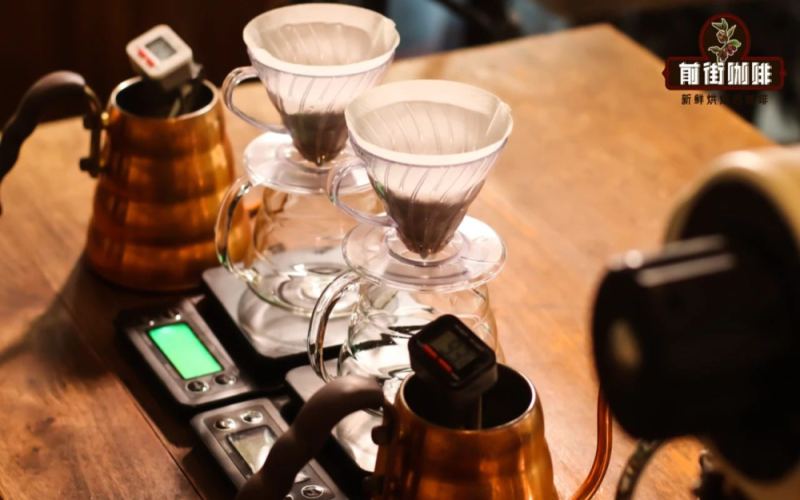
Pour-Over Coffee Techniques Explained | What Is the One-Pour Method? How Does It Differ from the Three-Stage Pour? Which Brews a Better Black Coffee?
For more specialty coffee knowledge, please follow: Front Street Coffee (Frontsteet Coffee). One of the great joys of pour-over coffee is using different brewing techniques to interpret a cup of coffee. And as for pour-over methods, I believe everyone pays close attention. So the most widely spread pour-over technique at present is the one-pour method. [more…]
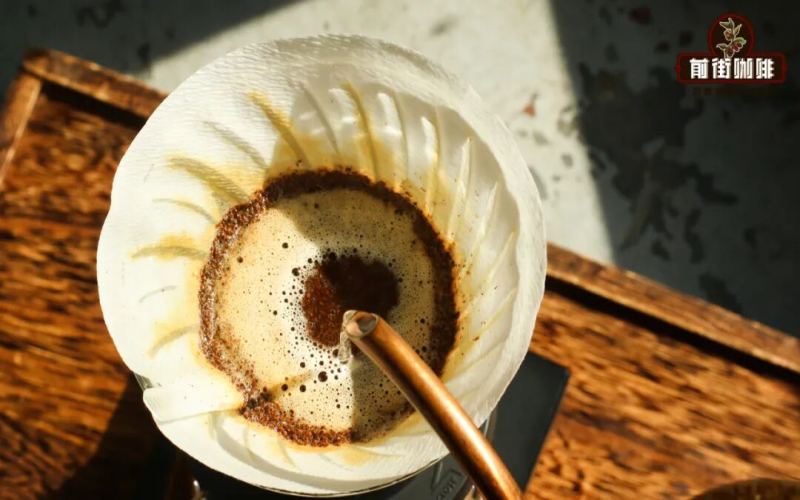
Pour-over coffee brewing method | What is the "Brazil nut effect" and how to avoid affecting coffee extraction when leveling the coffee bed
A surprise question from Front Street Coffee: when you pour coffee grounds into the dripper and end up with the scene shown below, what would you choose to do? A: Pat it flat. B: Pat it flat. C: Choose one or two. I believe most friends, just like Front Street Coffee, would choose to tap the dripper to make this unevenly distributed coffee bed become more level. [more…]
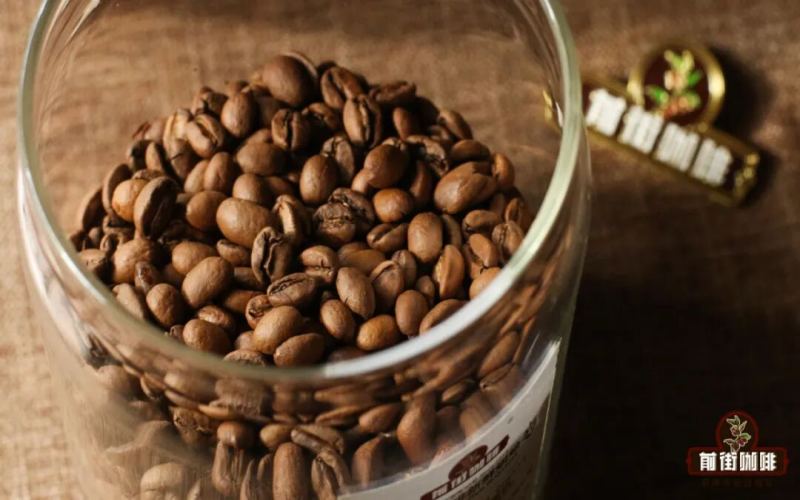
Coffee Knowledge | How to Quickly Identify Coffee Bean Roast Levels? Introduction to Grind Size and Brewing Water Temperature Parameters for Medium-Light and Medium-Dark Roasted Coffee
As everyone knows, Front Street Coffee mainly sells beans and has shops on both Taobao and Tmall, so friends who can't make it to the store often place orders online. Then some friends noticed that the labels on Front Street Coffee's beans don't indicate the roast level of the coffee beans, so they reported that after receiving them, they didn't know how to identify [more…]
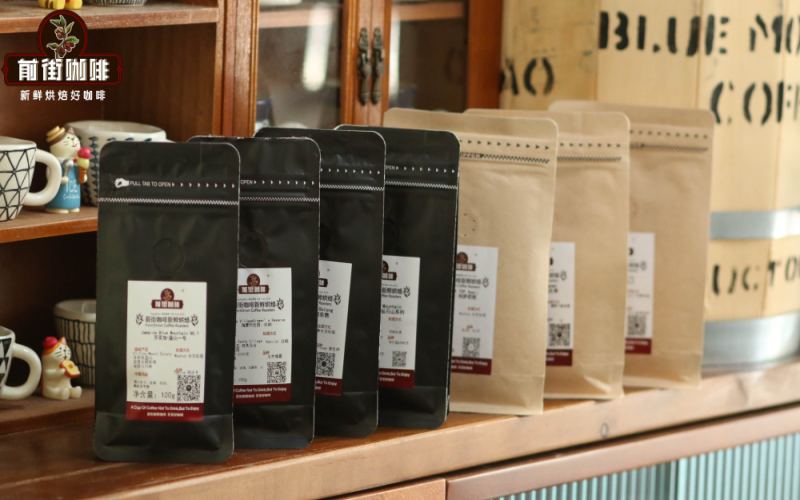
Recommendations for Non-Acidic Coffee Beans | What Are the Characteristics and Differences of Light, Medium, and Dark Roast Coffee Beans? What Water Temperature Is Suitable for Brewing Light, Medium, and Dark Roast Coffee Beans?
Some friends have pointed out that "Front Street's coffee beans don't have any indication of roast level." In response, Front Street plans to use an article to share knowledge about coffee roast levels with everyone. I believe that most people's understanding of coffee bean roast levels is basically that if it's sour, it's a light roast, and if it's bitter, it's a dark roast. Of course, as people in the industry [more…]

Coffee Filter Cup | How to adjust the pour-over parameters when brewing different doses of coffee with a V60? How to make multi-serving pour-over coffee with a V60 #01 filter cup?
Introduction: The V60 #01 dripper is used to brew 1–2 servings of coffee, and using 15–20 g of grounds is the most suitable. Some friends, when they really can't drink that much alone, will brew a little less, while some friends, when sharing with others, will brew a little more. So when brewing with a dripper of the same size, [more…]

Coffee Brewing Methods | How Big Is the Difference Between Pour-Over and Espresso? Which Coffee Beans Are Best for Pour-Over Beginners?
Nowadays, when you go to a coffee shop, most shops offer both pour-over coffee and espresso. Friends who don't drink coffee very often may be confused by this. They're both coffee, so what's the difference? Front Street Coffee is here to explain these two types of coffee respectively. [more…]
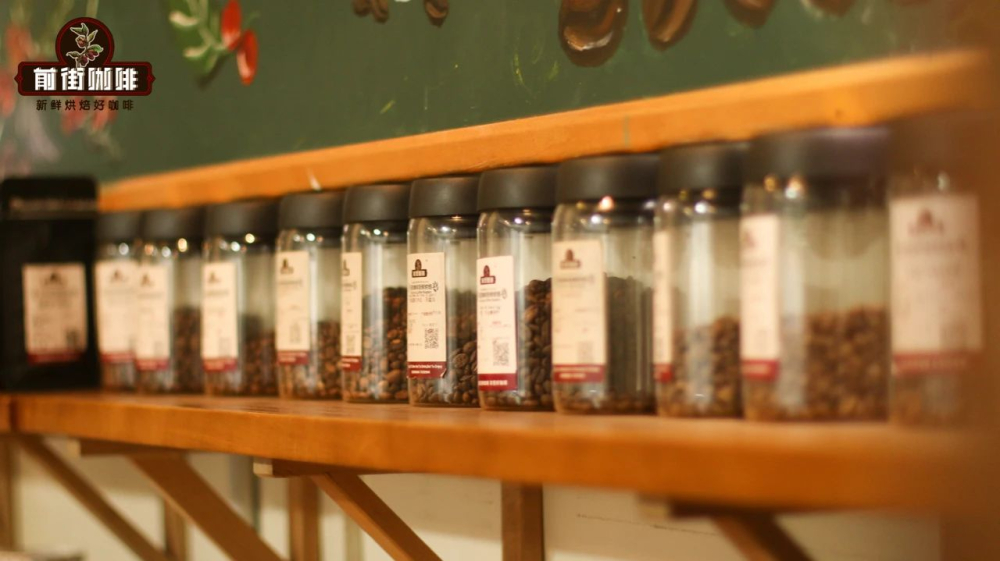
Introduction to Arabica specialty coffee bean varieties and origins | What are the differences in flavor characteristics among light roast, medium roast, and dark roast single-origin coffee beans?
Front Street Coffee believes that different roasting degrees will produce different flavor profiles, but many people have a misconception: is it enough to simply roast coffee beans to a certain roast color? Of course not—the flavor of coffee is not just about the roast degree, but also about the growing region. [more…]

Pour-Over Coffee Acidity | Is Coffee Bean Roast Level Related to Coffee Acidity? What Are the Differences in Flavor and Mouthfeel Between Light, Medium, and Dark Roasts?
The roast level of coffee largely determines its flavor profile. When buying single-origin coffee beans, you may notice that the label indicates the roast level, such as light roast, medium roast, or dark roast. Some also label them as Cinnamon Roast, City Roast, French Roast, and so on, which leaves many [more…]
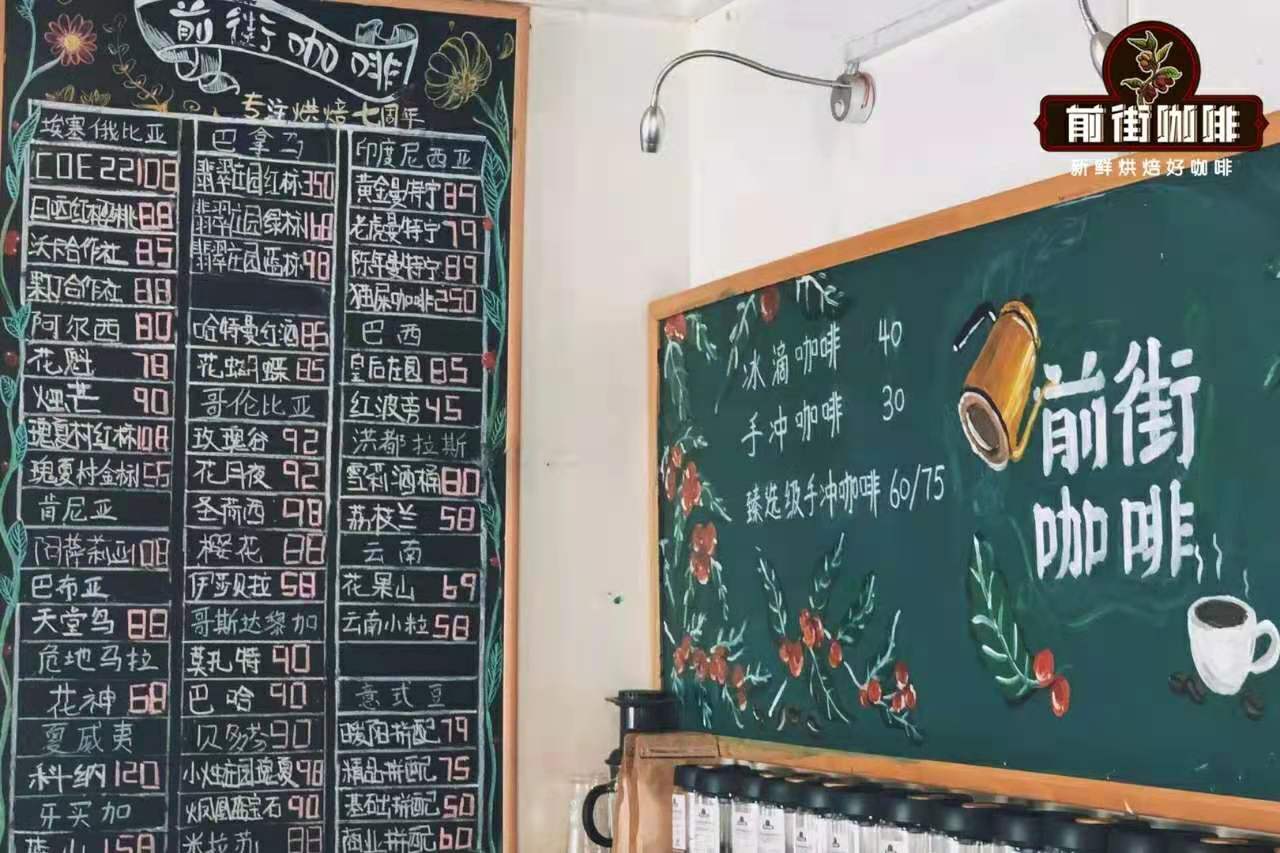
Single-Origin Coffee Bean Flavor Window | Why Must Pour-Over Coffee Be Ground and Brewed Fresh? How Does Coffee Bean Flavor Change Past Its Peak?
Many people assume that freshly ground coffee means fresh coffee, but that's not actually the case. In fact, to truly enjoy the aroma of coffee, it's not just about grinding fresh—there are also specific requirements regarding the roasting time of the coffee beans. Front Street Coffee, whether in-store or through its online Taobao shop, offers only freshly roasted coffee beans, unless a customer specifically requests grinding. [more…]
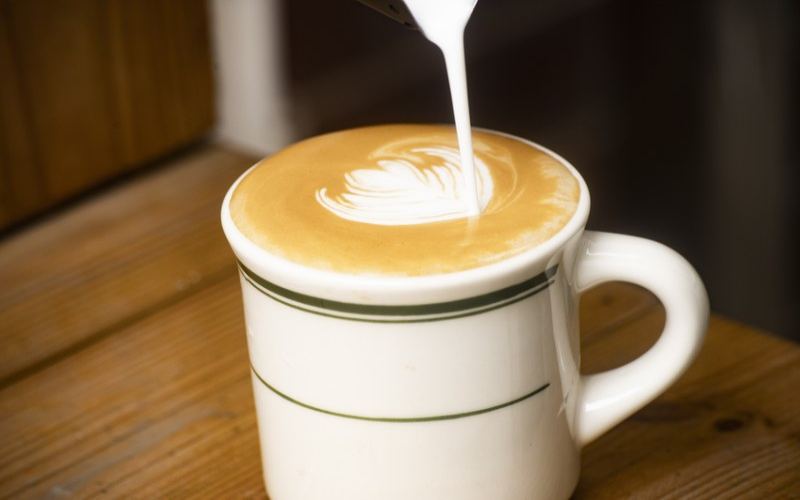
A Guide to Selecting Coffee Beans for Americano by Roast Level
The crispness, richness, or slight bitterness of Americano black coffee is first influenced by the roast level. Light-roasted beans easily bring floral notes, fruity acidity, and a tea-like quality into the cup, making them suitable for those who want to taste the character of the region; medium-roasted beans have a more stable sweetness and are more relaxed for everyday drinking; dark-roasted beans have cocoa, nutty, and roasted aromas, and pair well with ice or breakfast. [more…]

Essential Home Pour-Over Coffee Knowledge | Which Brewing Method Suits Coffee Beginners? What Brewing Parameters Should Beginners Pay Attention To?
Pour-over coffee can be quite a magical thing for many coffee enthusiasts. Front Street Coffee (FrontStreet Coffee) believes there's no need to view pour-over coffee as too profound. When frequently chatting with customers, Front Street Coffee (FrontStreet Cof [more…]
Bialetti Moka Pot: Brewing Rich Crema by Roast Level
Coffee brewed in a Bialetti moka pot shows a thin sheen of oil on the surface, and when you sip it you can get a thickness close to espresso, but it will not form the kind of stable crema that an espresso machine produces. If you want this oily mouthfeel to be more pronounced, choosing the right beans is more effective than simply increasing the heat, as the roast level directly affects the coffee's oil content and expansion. [more…]
How to Choose the Grind Size for a Moka Pot? Adjusting by Roast Level Is More Accurate
For the same moka pot, when you switch to light, medium, or dark roast beans, the ideal grind won't be exactly the same. You can think of the grind size for a moka pot as a range: overall coarser than espresso machine grounds, finer than pour-over grounds, with a texture somewhere between fine and regular granulated sugar. The lighter the roast, the closer you generally move toward the finer end; the darker the roast, [more…]
A Guide to Choosing Coffee Beans for the Bialetti Moka Pot by Roast Level
Coffee brewed with a Bialetti moka pot has a strength between pour-over and espresso. It can be enjoyed as black coffee, and it also works well with added water, ice, or milk. The roast level of the beans directly affects the aroma, acidity, sweetness, and body, so when choosing beans, you can start with light, medium, medium-dark, and dark roasts, then consider what you usually like. [more…]
Moka Pot Grind Size: Pair It with the Right Roast Level
Coffee brewed in a moka pot can have bright fruity notes, or it can show the depth of cocoa and nuts. An important clue that determines the difference is the roast level of the coffee beans. Light-roasted beans have a tighter structure, and the release of flavor needs more push; dark-roasted beans are easier to extract, and if the grounds are too fine, bitterness and a burnt taste will quickly [more…]
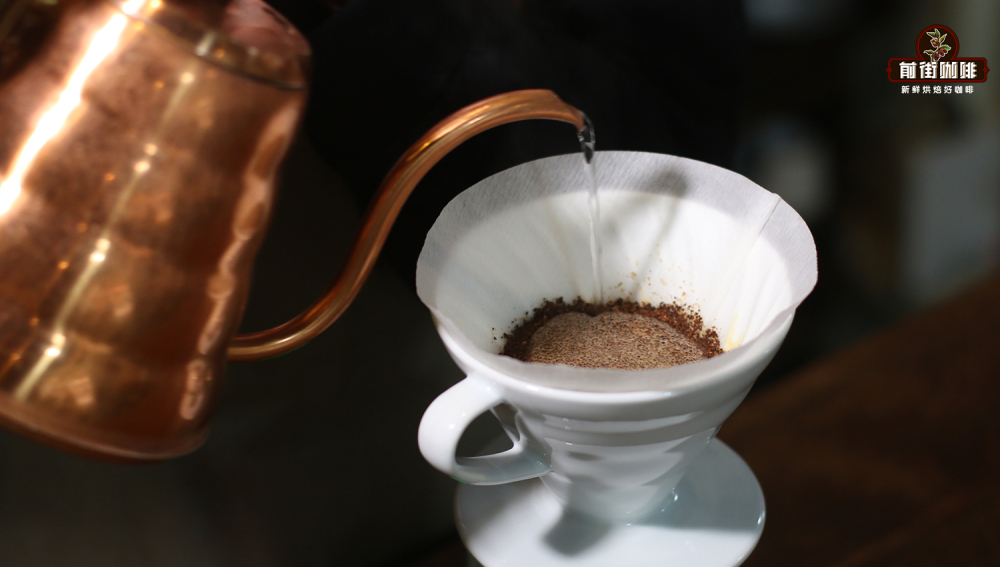
Pour-over Coffee Brewing Techniques and Tips Tutorial | How Much Coffee Powder for a Single Serving of Pour-over Coffee? Sharing the Pour-over Recipe and Parameters for Colombia Finca La Divisa Sidra
For more specialty coffee knowledge, please follow: Front Street Coffee (FrontStreet Coffee). Every day at Front Street Coffee, we encounter customers asking about pour-over coffee, perhaps about what pouring technique should be used for pour-over coffee? Or [more…]
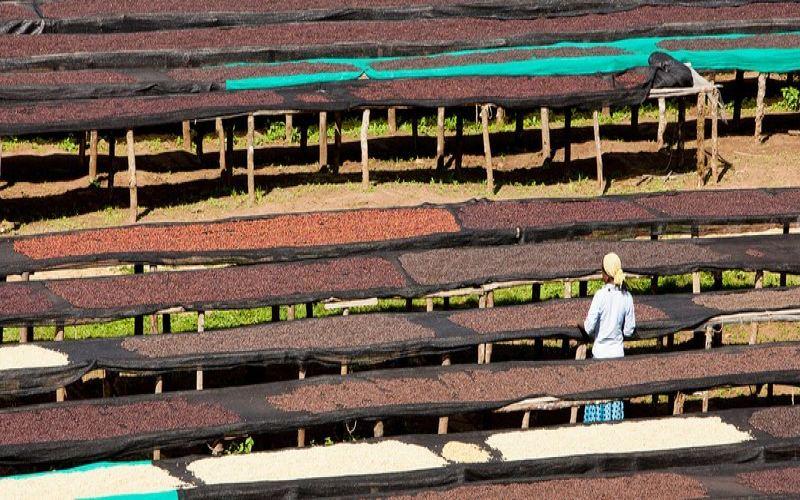
Not Sour, Not Bitter: What Roast Level Determines in Pour-Over Beans
If you want your pour-over coffee to taste mellow, roast level is a very practical entry point to observe. It affects the brightness of acidity, the way bitterness appears, the thickness of sweetness, and the direction of aroma. The so-called "neither sour nor bitter" does not mean weakening all the flavors, but rather finding the position that suits you best among refreshing, sweet, and full-bodied. [more…]
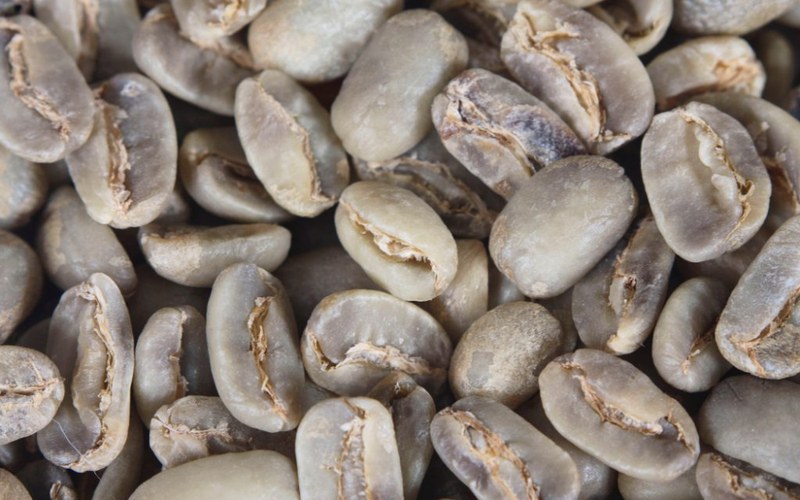
Choosing beans by roast level for home cold brew—just a simple soak is all it takes
The charm of cold brew coffee lies in the long contact between cold water and coffee grounds, producing a smooth, low-acidity cup that's perfect for summer drinking. You don't need specialized equipment at home—a lidded glass jar, a digital scale, and filter paper or a fine mesh strainer are all it takes. The real key to the result is whether the bean's roast level suits [more…]
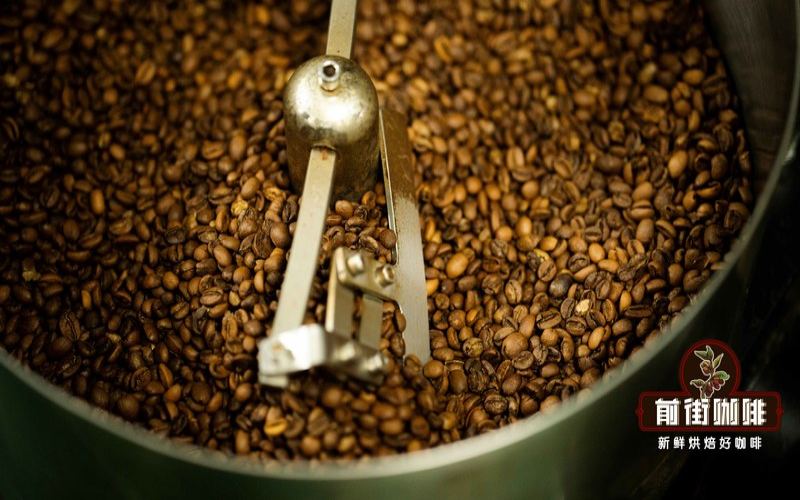
Can SOE be made with pour-over? Choosing beans by roast level makes it clearer
SOE is not a particular kind of coffee bean, but rather a term for single-origin or single-batch coffee used for espresso extraction. It describes the source of the beans and the way they are served, and does not mean an espresso machine is required. As long as the beans are consistent in quality and the roast level is suitable, SOE can absolutely be brewed by pour-over with a dripper instead, and you can taste even more than you would from an espresso [more…]